
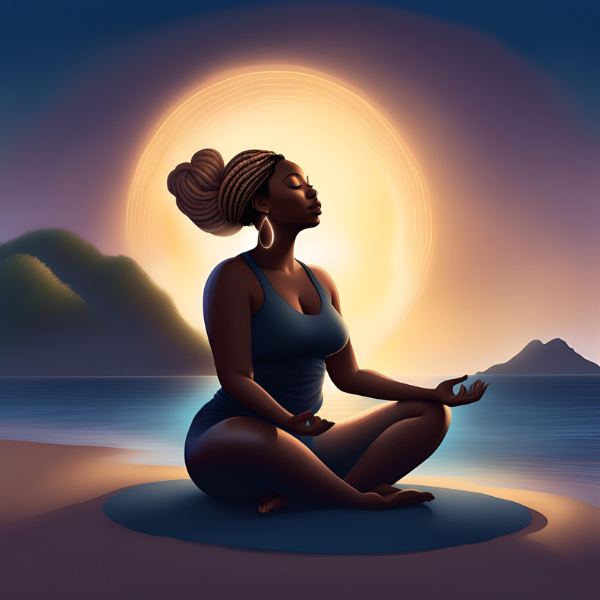
One’s well-being is essential to a satisfying life and closely connected to peace. In this fast-paced world, prioritizing personal well-being can lead to a more peaceful existence. It also creates peace for those around us. Let’s explore how cultivating individual well-being might strengthen our pursuit of peace.
Self-Care and Self-Development
Adopting personal well-being means focusing on self-care and personal advancement. This journey allows us to develop inner peace:
- Setting Healthy Boundaries: Understanding our limits and setting healthy boundaries maintains peace within ourselves and our relationships.
- Pursuing Healthy Passions: Engaging in activities that bring happiness and satisfaction can improve our overall happiness and feeling of purpose. (Campbell et al., 2025)
- Continuous Learning: Committing to personal development and self-learning develops a growth mindset. This mindset allows us to adjust and thrive in a constantly evolving world. (Sheffler et al., 2023, pp. 763-771)
Mental Clarity and Emotional Resilience
Achieving peace begins with mental clarity and emotional strength. When we focus on our mental health, we can:
- Reduce Stress: Mindfulness practices can help ease stress. Techniques like meditation and deep breathing exercises help us meet challenges with a calm mindset. (Faid et al., 2022, pp. 12-20)
- Enhance Focus: A peaceful mind can better concentrate on tasks. This leads to improved productivity. It also provides a sense of accomplishment. (Álvarez et al., 2023)
- Foster Positive Emotions: Developing a positive mindset helps us build strength to face life’s adversities. This strength enables us to respond to circumstances with grace and understanding. (Egan et al., 2024)
Physical Health and Vitality
Our physical health is directly linked to our overall sense of well-being. Emphasizing individual well-being through peaceful living may result in significant health benefits:
- Healthy Lifestyle Choices: A devotion to peace stimulates healthier lifestyle choices, balanced nutrition, regular exercise, and adequate rest.
- Improved Immunity: Reducing stress and practicing relaxation techniques can support our immune system, making us less susceptible to illness. (Shields et al., 2020)
- Longevity: Peaceful living can lead to a longer, more active life. It lowers the chance of chronic diseases. It also promotes total vitality. (Wang et al., 2024)
Nurturing Relationships
Peaceful people naturally attract healthier relationships. By focusing on individual well-being, we might improve our interactions with others (Ramsey & Gentzler, 2015, pp. 58-104)
- Effective Communication: Peace encourages a willingness to listen and engage openly, helping us express ourselves and understand others better.
- Conflict Resolution: When we focus on our well-being, we can approach conflicts with consideration and compassion. We aim to seek solutions rather than heightening tensions.
- Building Community: Individual well-being encourages us to connect with others, build supportive networks, and strengthen our sense of belonging.
Conclusion
In conclusion, individual well-being is vital to achieving and preserving peace in our lives. When we focus on self-care and self-improvement, we improve our mental clarity. Emphasizing physical health and nurturing relationships also helps. These efforts create a foundation for a peaceful existence. As we “put our mask on first” and focus on improving our well-being, we raise our positive frequency. We enhance not only our own lives but also the lives of those around us. We also aid in a more balanced world. In this world, peace can flourish. Accepting personal well-being as a means to peace is a powerful pledge to a balanced, fulfilling life.
Keep Reading: When Peace Feels Unfamiliar
References
Campbell, A. V., Depow, G. J., Agarwal, S. & Inzlicht, M. (2025). Effortful leisure is a source of meaning in everyday life. Communications Psychology 3. https://doi.org/10.1038/s44271-025-00292-9
Sheffler, P., Kürüm, E., Sheen, A. M., Ditta, A. S., Ferguson, L., Bravo, D., Rebok, G. W., Strickland-Hughes, C. M. & Wu, R. (2023). Growth Mindset Predicts Cognitive Gains in an Older Adult Multi-Skill Learning Intervention. The Journals of Gerontology: Series B 96(4), pp. 763-771. https://doi.org/10.1177/00914150221106095
Faid, T., Gordon, W. V. & Taylor, E. C. (2022). Breathing Exercises, Cold-Water Immersion, and Meditation: Mind-Body Practices Lead to Reduced Stress and Enhanced Well-Being. Advances in Mind-Body Medicine 36(3), pp. 12-20. https://pubmed.ncbi.nlm.nih.gov/36308505/
Álvarez, M. G., Hölzel, B. K., Bremer, B., Wilhelm, M., Hell, E., Tavacioglu, E. E., Koch, K. & Torske, A. (2023). Effects of web-based mindfulness training on psychological outcomes, attention, and neuroplasticity. Scientific Reports 13. https://doi.org/10.1038/s41598-023-48706-0
Egan, L. A., Park, H. R., Lam, J. & Gatt, J. M. (2024). Resilience to Stress and Adversity: A Narrative Review of the Role of Positive Affect. PRBM 17. https://doi.org/10.2147/PRBM.S391403
Shields, G. S., Spahr, C. M. & Slavich, G. M. (2020). Psychosocial Interventions and Immune System Function: A Systematic Review and Meta-analysis of Randomized Clinical Trials. JAMA Psychiatry 77(10). https://doi.org/10.1001/jamapsychiatry.2020.0431
Wang, X., Jie, W., Huang, X., Yang, F., Qian, Y., Yang, T. & Dai, M. (2024). Association of psychological resilience with all-cause and cause-specific mortality in older adults: a cohort study. BMC Public Health 24. https://doi.org/10.1186/s12889-024-19558-8
Ramsey, M., & Gentzler, A. (2015). An upward spiral: Bidirectional associations between positive affect and positive aspects of close relationships across the life span. Developmental Review 36, pp. 58-104. https://doi.org/10.1016/j.dr.2015.01.003

