
Introduction
Creativity is often hailed as a rare and precious gift, a trait that some individuals carry into adulthood while others seem to lose along the way. The phrase “the creative adult is the child who survived” captures the essence of this journey. It suggests that creativity is an inherent quality, deeply rooted in childhood’s uninhibited curiosity and imagination. This concept invites us to explore how creativity evolves and persists through the challenges of growing up.
The Nature of Childhood Creativity
Children are natural creators. Their world is unbound by the constraints of reality, allowing them to imagine possibilities beyond the ordinary. Play is their primary mode of expression, where they transform simple objects into fantastical elements of their inner worlds. This instinctive creativity is fueled by the following:
- Curiosity: Children constantly question and explore their environment.
- Imagination: They create vivid narratives and alternate realities.
- Fearlessness: The absence of social inhibitions allows them to express freely.
Challenges to Creativity in Adulthood
As children grow, they face societal pressures that can stifle their creativity. Education systems often prioritize conformity and standardized testing, leaving little room for imaginative thought. Additionally, the responsibilities and expectations of adult life can overshadow one’s creative instincts. Key challenges include:
- Conformity: The pressure to fit in can suppress unique ideas and expressions.
- Criticism: Fear of judgment may lead to self-censorship.
- Routine: The demands of daily life can limit time and energy for creative pursuits.
Nurturing the Creative Spirit
For the child within the adult to survive, it is crucial to cultivate an environment that encourages creativity. This involves:
Embracing Playfulness
Adults can benefit from engaging in activities that evoke the sense of wonder and playfulness inherent in childhood. This might include:
- Art: Drawing, painting, or crafting for pure enjoyment.
- Music: Playing an instrument or listening to diverse genres.
- Writing: Journaling or storytelling without constraints.
Encouraging Curiosity
A curious mind is a fertile ground for creativity. To foster this, adults should:
- Ask Questions: Challenge assumptions and explore new ideas.
- Learn Continuously: Pursue new skills and knowledge.
- Travel and Explore: Experience different cultures and perspectives.
Creating a Supportive Environment
Surrounding oneself with supportive people and spaces can enhance creative output. Consider:
- Joining Creative Communities: Participate in groups or clubs that share your interests.
- Establishing a Creative Space: Designate a physical area for creative activities.
- Seeking Mentorship: Connect with individuals who inspire and guide your creative journey.
Conclusion
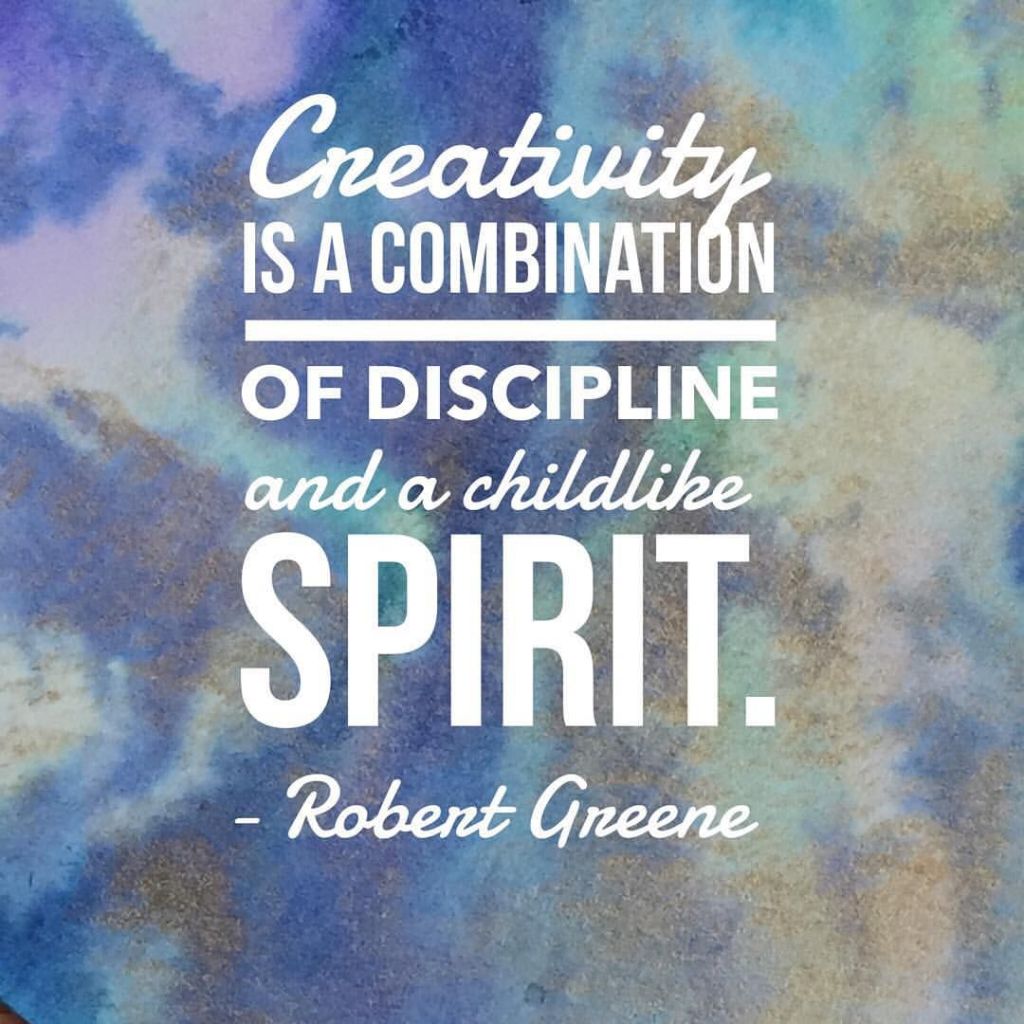
The journey from childhood to adulthood need not extinguish one’s creative spark. Adults can maintain and even enhance their creativity by cherishing and nurturing the playful, curious, and imaginative spirit of childhood. Embracing this inner child allows us to innovate, dream, and contribute uniquely to the world. Remember, the creative adult is indeed the child who survived, and that child is within each of us, waiting to be rediscovered.


 My Life With Curves